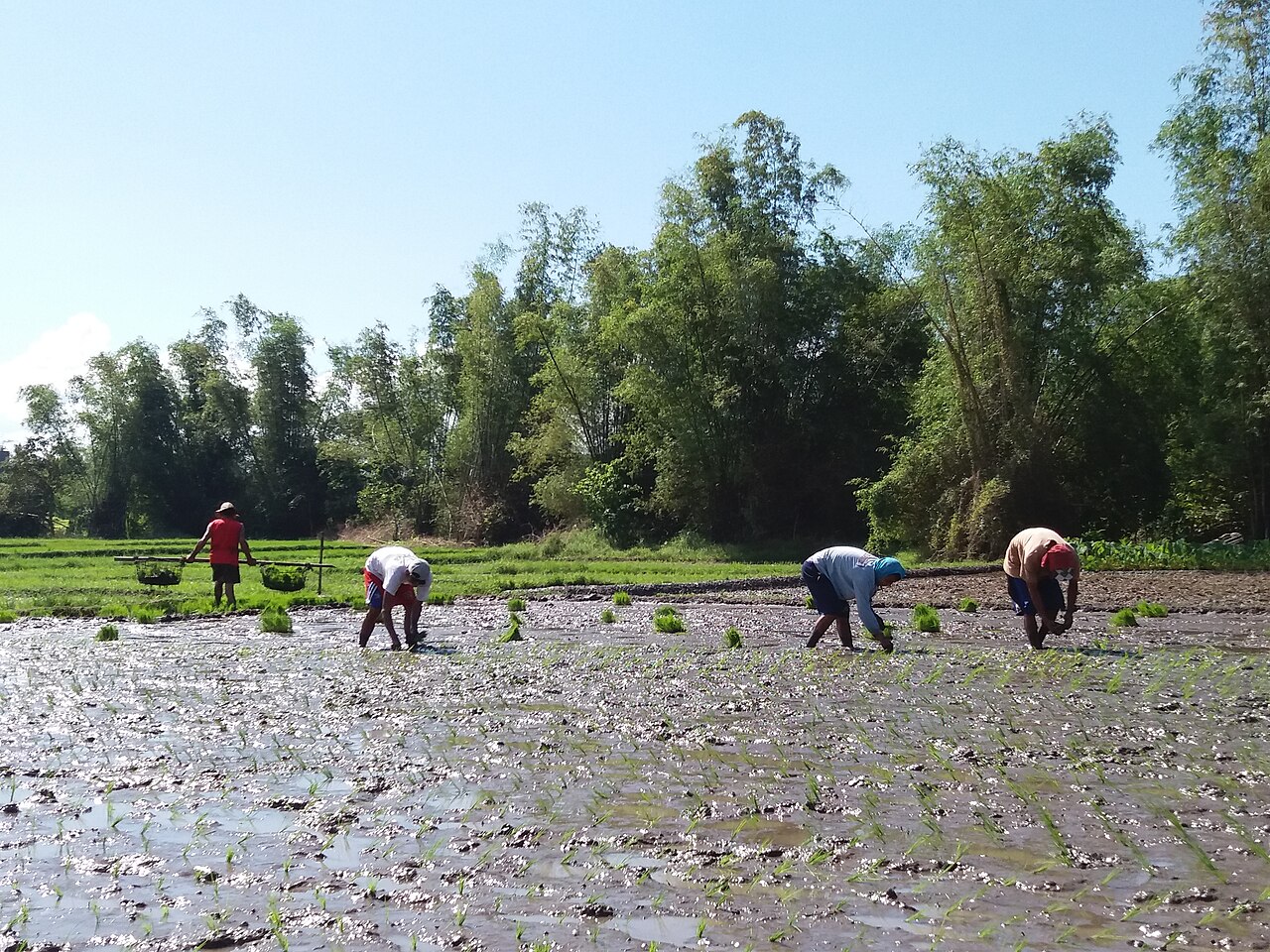
Imagine a farmers’ cooperative preparing to buy seeds. Members live some distance apart, need different quantities, and send their requests whenever they have time. Someone must collect the messages, clarify the details, and assemble an order.
Now imagine each farmer could message a service in the language they use every day. The service asks for anything missing, repeats the request for confirmation, and adds the confirmed details to the cooperative’s records. A coordinator reviews the combined order before buying.
The possible benefits are ordinary and valuable: fewer calls, fewer mistakes, and less time spent travelling to organise something that people already know they want to do together.

This is where I would begin a discussion about democratising artificial intelligence.
A community could share the equipment needed to run an AI service, decide what it should help with, and develop the skills to maintain it. Members could reach it through familiar messaging tools. The cooperative that brings people together to buy seeds could also bring them together to acquire a useful technological capability.
I think of this as building Little Brother.
George Orwell’s Big Brother is an image of power that watches people while remaining beyond their control. Looking at AI today, I worry about how easily we could strengthen the possibility of that vision being our future. Systems that understand more about us can give extraordinary influence to whoever controls them.
Little Brother expresses a different ambition: AI that people can put to work on their own terms. Its responsibilities would be limited and understandable. The people using it would help decide what it does and could change or replace it.
The starting point would be a shared local service.
Some AI models are available with downloadable weights—the numerical parameters learned during training—under licences governing their use. Software already exists to run suitable models on local computers. These building blocks make it possible to explore a service operated by a cooperative, community association, or other local institution. Example model documentation, software for running models locally
Members would not each need an expensive computer. They could share access to an installation sized for the tasks and number of users it serves. The model would need testing in their language, with the kinds of messages they actually send.
For the seed order, its job could be narrow: interpret a request and help the farmer check it. Ordinary software would store the quantities and calculate totals. The cooperative would retain responsibility for the purchase.
Other uses could emerge from what members find useful. A parent might want help organising household expenses. A small business might need assistance preparing a catalogue or understanding a supplier’s instructions. A community organisation might want an easier way to find information in its own records.
Each service would need to prove its value. If a simple form works better, the community should use the form. AI earns its place when it removes a difficulty that people actually experience.
For rural development, those apparently small difficulties deserve attention. In the cooperative example, the service might reduce the effort required to organise a joint purchase. It might make participation easier for someone who cannot regularly attend meetings. Whether it improves prices or saves time would have to be measured, but the route from the tool to a potential benefit is clear.
The work of maintaining the service could also build local capability. A technically trained resident could help operate it, supported by another person who can take over. Young people could test new features, help members use them, and learn how to improve them.


I would retain a place for young people’s practice councils: groups that participate in decisions, try proposed solutions, and report what works. Their involvement should include supervision, a meaningful voice, and compensation where they take on ongoing work.
A community would gradually acquire experience in commissioning and managing technology. It could share useful configurations with neighbouring communities and adapt ideas developed elsewhere. Outside expertise and more capable cloud tools could help maintainers improve the service, with changes checked before deployment.
None of this makes local AI free. Equipment, electricity, connectivity, and maintenance must be paid for. A viable service needs a budget beyond its first demonstration. It should be compared with existing cloud services and simpler software on the full cost of doing the job.
Nor does a local computer automatically make the service private. If members communicate through a commercial messaging application, that application remains part of the system. Shared equipment must also keep private records separate. The council overseeing the service should have no automatic entitlement to read someone’s household expenses.
These details define what Little Brother would mean in practice. People should know what information is kept and who can see it. They should be able to correct a record, remove their information where appropriate, and seek help from a person. Community ownership needs rules that protect individual members.
I would begin with one willing community and one recurring task. The first questions would be straightforward: does the service work in the language people use, does it save effort, and can the community afford to keep it running?
The answers should include the experience of people who struggle to participate. Shared phones, limited literacy, or unreliable connectivity may require assisted access. A project intended to widen participation should account for those conditions from the beginning.
What interests me most is the possibility of making useful AI something communities can shape themselves. A farmer would have a say in the service that handles a request. A young technician could develop skills while contributing to the place they live. Members could choose the next problem worth solving.
That is a practical meaning of democratisation: people gaining the means to use a technology and some authority over how it develops.
Next week, I want to explore what happens when this idea reaches beyond one cooperative. What would it mean for towns, cities, and public institutions to develop the same capacity—and how could we help Little Brother grow while keeping it accountable to the people it serves?